
Blogs & Articles
We’re thinking and doing

Wolfworks Case Study: A Right-Sized, All-Electric Transformation
Project Overview The Guilford project began with a fundamental question: teardown or renovation? After discussion and brief Feasibility Study...

Have You Met Ben? Wolfworks Strengthens Design Team
In October 2025, the Wolfworks design team welcomed a new collaborator whose experience, values, and creative spirit align with our mission...
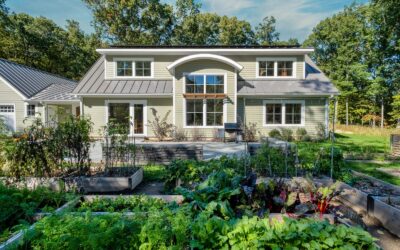
High Performance Homes: A Path to Healthier Living
Our homes are more than just places to live—they are environments that have a profound impact on our physical, mental, and emotional...
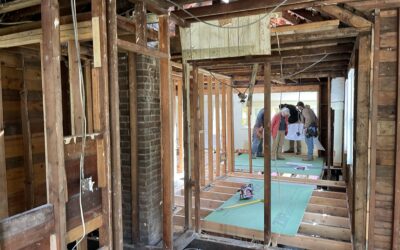
Guilford Cottage: Deep Energy Retrofit
We recently began construction on an exciting project after being approached by clients who acquired a unique property in Guilford,...
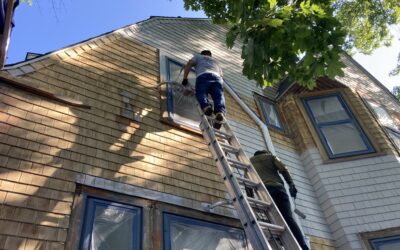
Trade Spotlight: NBC Painting LLC
At Wolfworks, we understand the importance of having reliable trade partners. Our collaboration with Nahun and his team at NBC Painting LLC has...
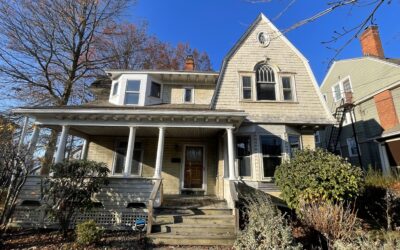
Historic West End – Rehab and Retrofit
Our team has had the great opportunity to bring an abandoned Queen Anne-Classic Revival home back to life. Anyone who has walked around the West End...
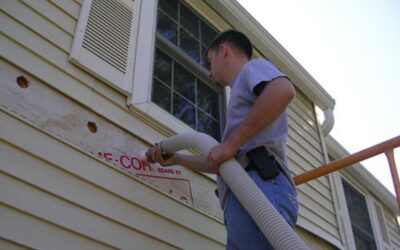
Energy Retrofits of Existing Homes: Our Approach
We are seeing an increased interest in projects to get a home off fossil fuels and powered (now or soon) by renewable energy. These projects are...
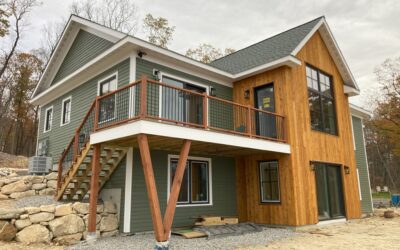
Wolfworks 2023: A Year in Review
In 2023, Wolfworks completed key projects and transitioned to a worker-owned company with Jamie's retirement in September. The team, now bolstered...
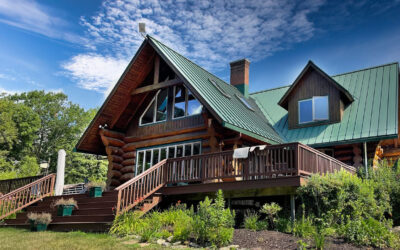
Challenge Accepted: Electrifying a Log Cabin
We were approached by a family who owned an amazing log cabin in New Hartford. The 2700SF home features dramatic open space, bedrooms for the kids...

Looking for Land to Build On
Designing and building your home from the ground up can be one of the most exciting and fulfilling projects of your life. After all, it's crafted...
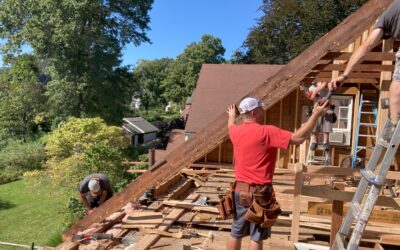
Raise the Roof (Comfortably): Adventures in the Attic
Attic renovations come with their unique set of challenges, including ensuring proper headroom, maintaining the right roof pitch, minimizing...
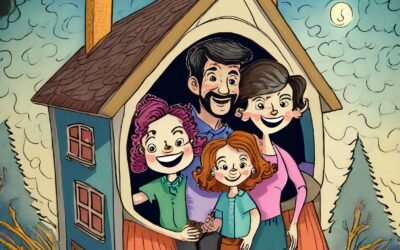
How Does Your Home Fit?
Our homes provide shelter, comfort, and security. They are places to gather and retreat. They play an important role in our physical and mental...
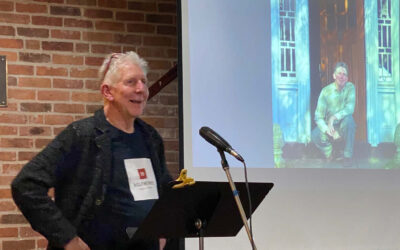
A Wolfworks Celebration
About 50 people came out to celebrate Jamie's legacy as Wolfworks begins its next chapter without him. They were employees, trade partners, clients,...
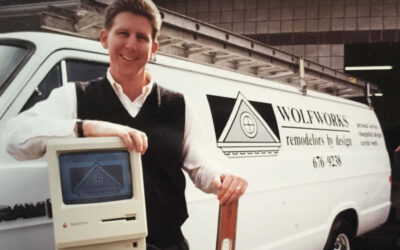
Becoming Wolfworks
I'm a maker. I've made tree forts and puppet theaters, posters and performance art, convened communities and created events. I've played in bands...
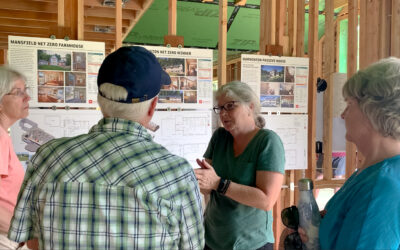
What We Learned at the Woodbury Open House
This past weekend we welcomed 45 people to see and learn how different a future friendly Zero Energy home is from the homes most of us live in. We gave a presentation explaining why…

Eye$ Wide Open
There is no way to have a good relationship designing and building a new home without talking about money, how it's spent, and what it buys. We call...
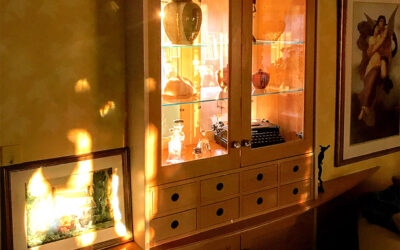
The Dear Familiar Gods of Home
This poem from May Sarton conjures something deeply meaningful about how our homes satisfy something fundamental in our lives over time. THE...
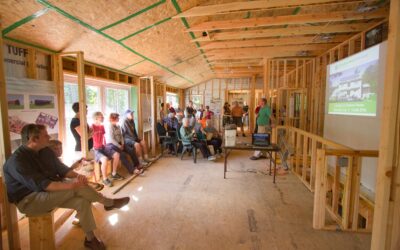
Open Wall Open House in Woodbury
You're invited to visit this "Right Sized" Custom Home in Woodbury on Saturday July 15 to see first hand how it is designed and built for High...

How much does High Performance Cost?
We're often asked how much more it costs to build a Zero Energy Home. This question has two answers. The secret to a Zero Energy Home is to reduce...
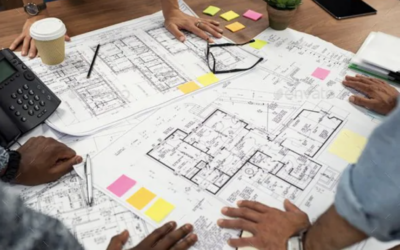
Design Build Guidance: Smart choices and common mistakes
What does it take to make a good home great? Let's unfold the roadmap we rely on to answer that question. What it takes is a robust approach to what...
Blogs & Articles
We’re thinking and doing
Wolfworks Case Study: A Right-Sized, All-Electric Transformation
Project Overview The Guilford project began with a fundamental question: teardown or renovation? After discussion and brief Feasibility Study...
Have You Met Ben? Wolfworks Strengthens Design Team
In October 2025, the Wolfworks design team welcomed a new collaborator whose experience, values, and creative spirit align with our mission...
High Performance Homes: A Path to Healthier Living
Our homes are more than just places to live—they are environments that have a profound impact on our physical, mental, and emotional...
Guilford Cottage: Deep Energy Retrofit
We recently began construction on an exciting project after being approached by clients who acquired a unique property in Guilford,...
Trade Spotlight: NBC Painting LLC
At Wolfworks, we understand the importance of having reliable trade partners. Our collaboration with Nahun and his team at NBC Painting LLC has...
Historic West End – Rehab and Retrofit
Our team has had the great opportunity to bring an abandoned Queen Anne-Classic Revival home back to life. Anyone who has walked around the West End...
Energy Retrofits of Existing Homes: Our Approach
We are seeing an increased interest in projects to get a home off fossil fuels and powered (now or soon) by renewable energy. These projects are...
Wolfworks 2023: A Year in Review
In 2023, Wolfworks completed key projects and transitioned to a worker-owned company with Jamie's retirement in September. The team, now bolstered...
Challenge Accepted: Electrifying a Log Cabin
We were approached by a family who owned an amazing log cabin in New Hartford. The 2700SF home features dramatic open space, bedrooms for the kids...
Looking for Land to Build On
Designing and building your home from the ground up can be one of the most exciting and fulfilling projects of your life. After all, it's crafted...
Raise the Roof (Comfortably): Adventures in the Attic
Attic renovations come with their unique set of challenges, including ensuring proper headroom, maintaining the right roof pitch, minimizing...
How Does Your Home Fit?
Our homes provide shelter, comfort, and security. They are places to gather and retreat. They play an important role in our physical and mental...
A Wolfworks Celebration
About 50 people came out to celebrate Jamie's legacy as Wolfworks begins its next chapter without him. They were employees, trade partners, clients,...
Becoming Wolfworks
I'm a maker. I've made tree forts and puppet theaters, posters and performance art, convened communities and created events. I've played in bands...
What We Learned at the Woodbury Open House
This past weekend we welcomed 45 people to see and learn how different a future friendly Zero Energy home is from the homes most of us live in. We gave a presentation explaining why…
Eye$ Wide Open
There is no way to have a good relationship designing and building a new home without talking about money, how it's spent, and what it buys. We call...
The Dear Familiar Gods of Home
This poem from May Sarton conjures something deeply meaningful about how our homes satisfy something fundamental in our lives over time. THE...
Open Wall Open House in Woodbury
You're invited to visit this "Right Sized" Custom Home in Woodbury on Saturday July 15 to see first hand how it is designed and built for High...
How much does High Performance Cost?
We're often asked how much more it costs to build a Zero Energy Home. This question has two answers. The secret to a Zero Energy Home is to reduce...
Design Build Guidance: Smart choices and common mistakes
What does it take to make a good home great? Let's unfold the roadmap we rely on to answer that question. What it takes is a robust approach to what...