
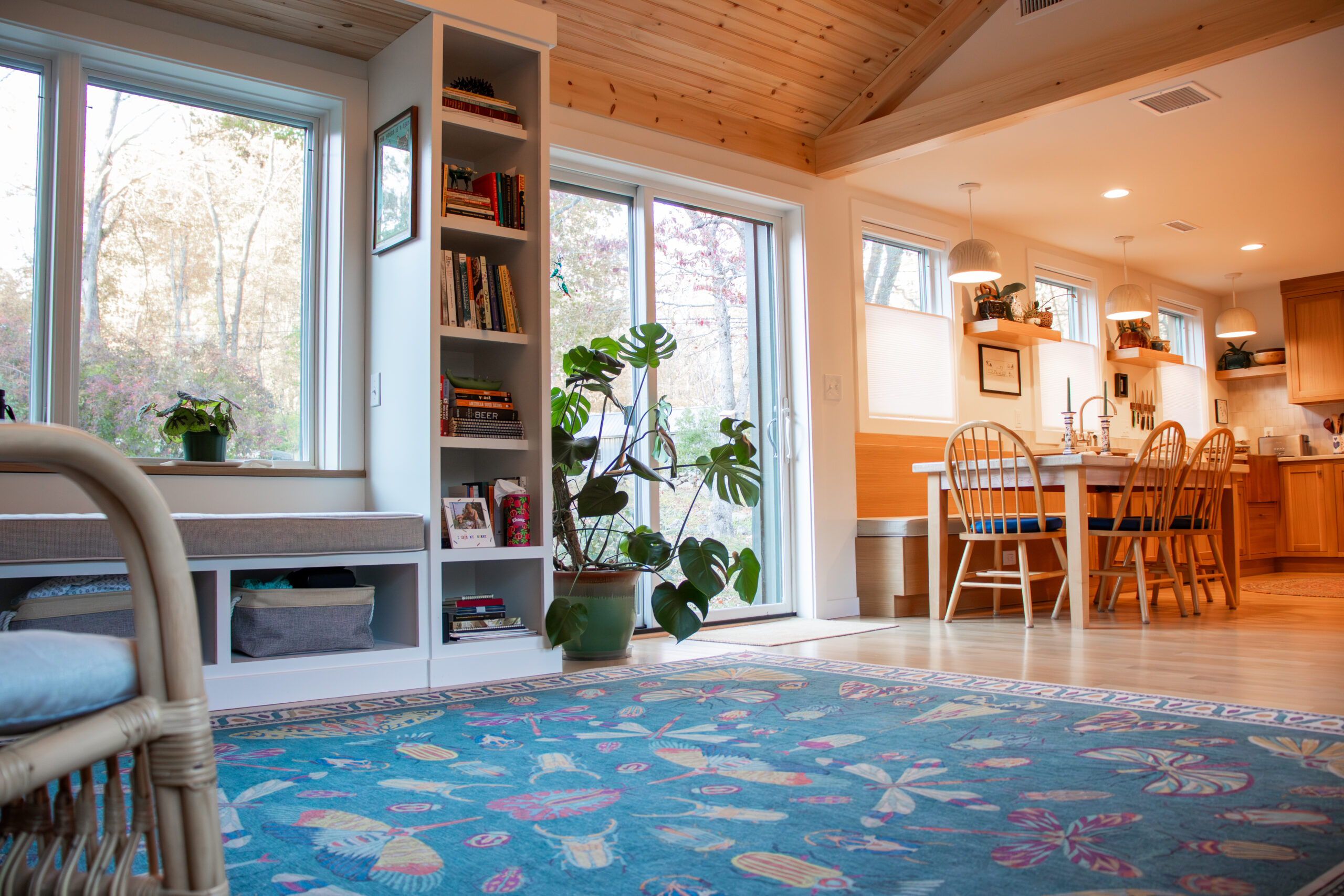
Project Overview
The Guilford project began with a fundamental question: teardown or renovation? After discussion and brief Feasibility Study phase, the homeowners ultimately chose to work with the existing foundation and shell, transforming the property into a high-performance, all-electric home that prioritizes comfort, efficiency, and a reduced environmental footprint. This decision was obviously supported and encouraged by Wolfworks to minimize our carbon impact and reduce overall project costs.
A code-minimum ADU constructed in 2022 already existed on the site. Rather than treating it as a separate structure, the design strategy focused on connecting the ADU to the primary home through a new infill addition. This addition spans between the two buildings and is supported by a single concrete pier which was necessary due to shallow ledge that made helical piers infeasible. The result is a unified, single-level home with three bedrooms, two bathrooms, and a guest suite. Right-sized for the family’s needs and long-term use.
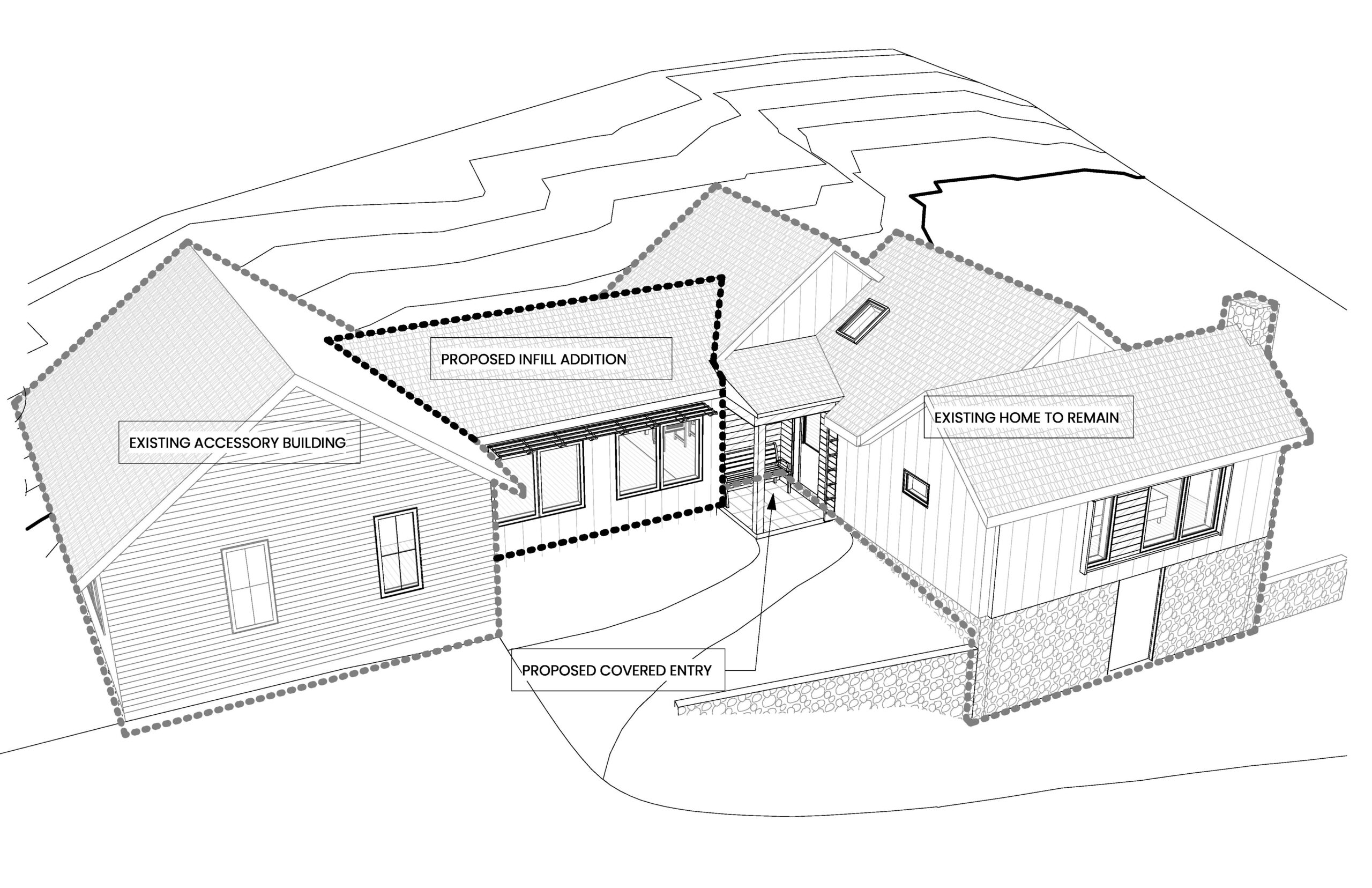
The interior layout was completely rethought to improve both functionality and performance.
Key design moves included:
- Reorienting the living room and primary suite to the south to maximize natural light and passive solar heat gain
- Introducing a new kitchen and updated bathrooms within a more efficient plan
- Converting an existing loft into a fully insulated mechanical room, sized for the home’s new systems and future solar readiness
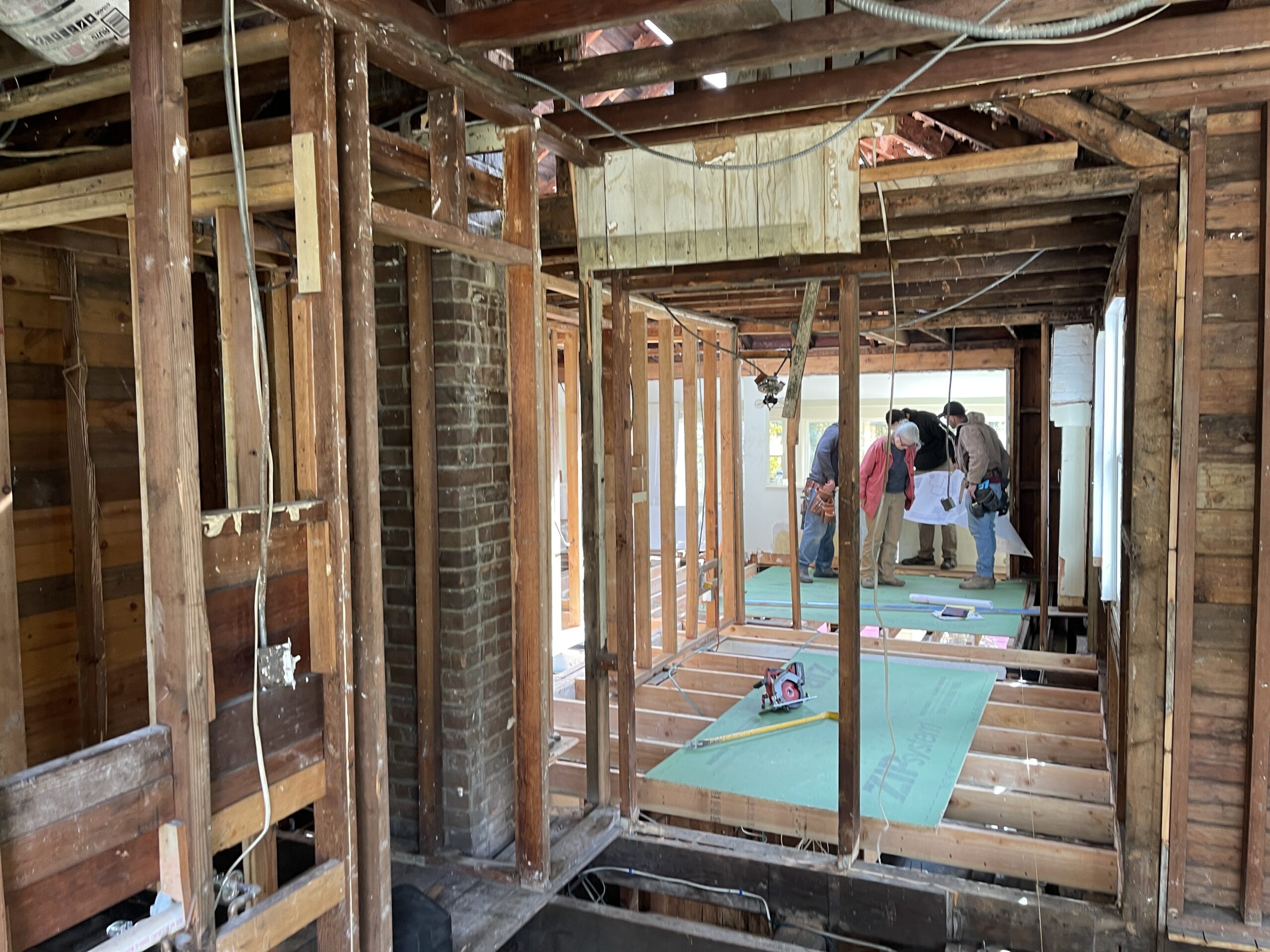
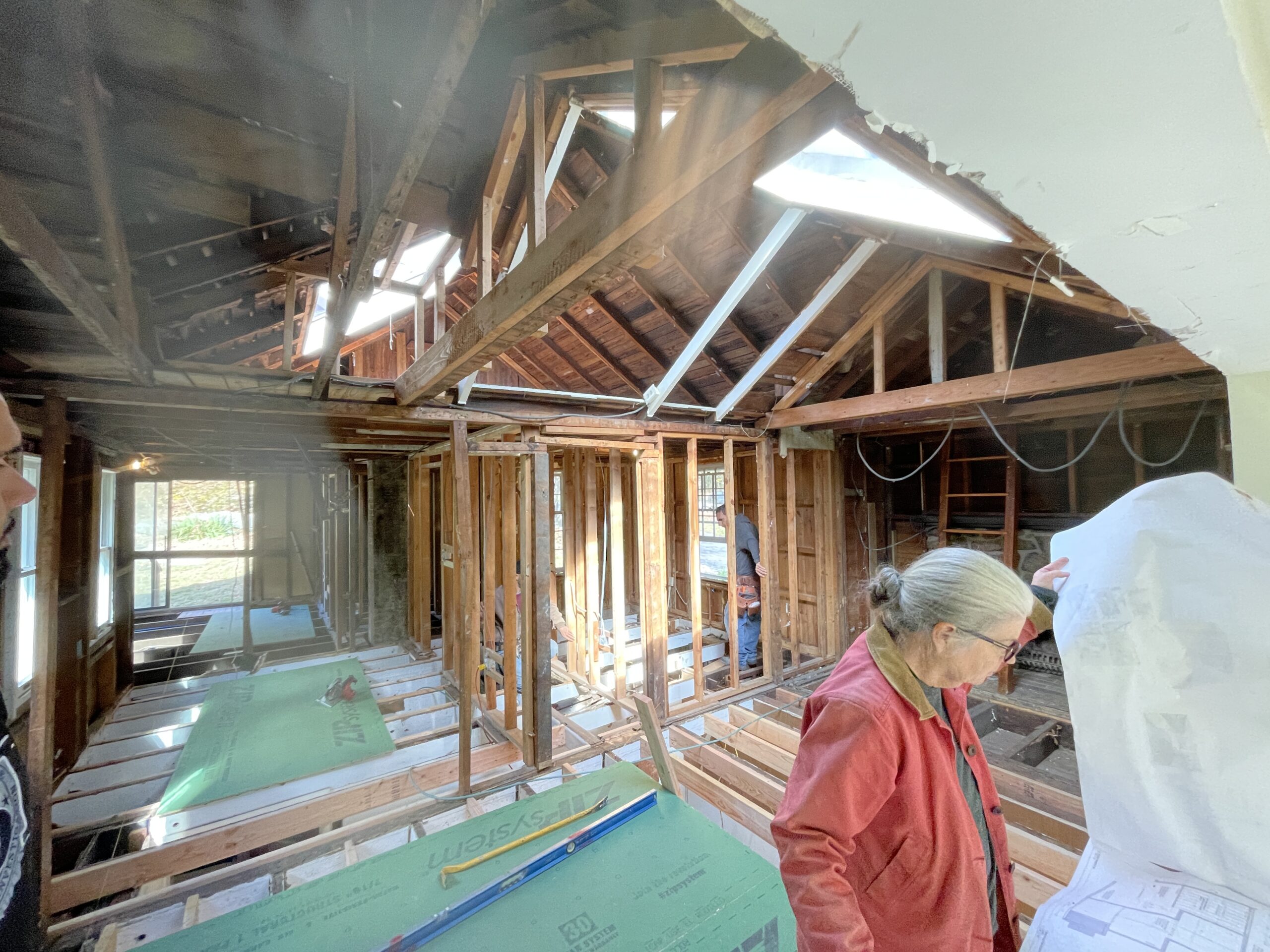
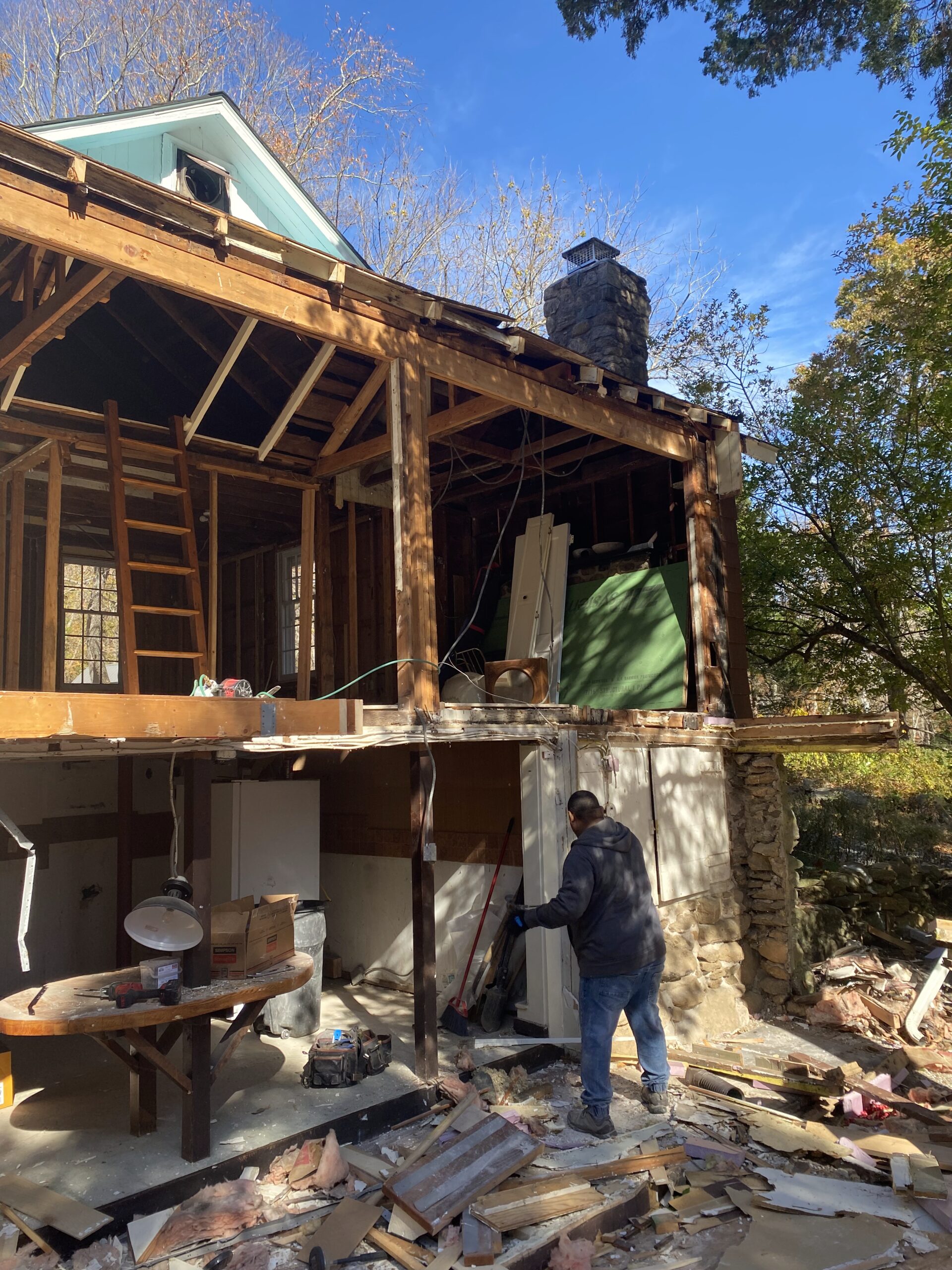
This reorganization allowed the design to better align daily living patterns with solar exposure, comfort, and long-term durability. During demolition, a bunch of interesting conditions were exposed that required quick thinking and collaboration. These included 48” exterior wall stud spacing, sagging or damaged floor joists, rot and termite damage, and a very interesting door header.

Building Shell Improvements
- Complete removal and replacement of the exterior skin
- 2.5″ ZIP-R continuous exterior insulation at all above-grade walls
- Existing wall cavities dense-packed with cellulose
- New and existing roof assemblies insulated with closed-cell spray foam to establish a continuous air and vapor barrier
- Full rainscreen assembly with LP SmartSide board-and-batten siding
- Fenestration upgrades to triple-glazed Marvin windows and Velux skylights
These improvements allowed the building shell to reduce its air leakage from over 12 ACH50 to 1.11 ACH50
Foundation & Floor Assembly Strategy
The existing basement was removed from the thermal boundary and converted into a ventilated crawl space, simplifying air sealing and moisture management. This was due to the low ceiling heights and the existing ledge protruding into the basement.
Key foundation and floor upgrades included:
- Dense-packed cellulose within first-floor framing
- 2″ polyisocyanurate insulation below the floor joists
- Construction of a compact, insulated mechanical alcove within the former basement footprint
This alcove now houses the heat pump water heater which conveniently doubles as conditioned storage for the homeowner’s craft beer.


GUILFORD DER- MAIN BUILDING SECTION

GUILFORD DER – ADDITION SECTION

GUILFORD DER – ASSEMBLIES
-
Mechanical Systems & Electrification
The entire home, including the ADU, was fully electrified, eliminating on-site combustion, eliminating fossil fuel dependency, and improving indoor air quality.
Mechanical System Upgrades
- Ducted air-source heat pumps for heating and cooling
- Heat pump water heater for domestic hot water
- Balanced ERV system providing continuous fresh air and improved indoor air quality
- Addition roof oriented and detailed for future rooftop solar
-
Lessons Learned: Balancing Performance, Budget & Constructability
This project highlights the constant balancing act between performance goals, budget constraints, and construction realities.
Early in the design process, the team prioritized:
- Minimizing closed-cell spray foam
- Using wood-fiber rigid insulation in place of ZIP-R
- Dense-pack cellulose paired with a smart vapor retarder in walls and attic
However, once demolition revealed the complexity of the existing assemblies, it became clear that this strategy would be difficult to detail, costly, and time-intensive. In addition, a reliable source for rigid wood-fiber insulation could not be confirmed within the project timeline.
In response, the team adapted. Using closed-cell spray foam as both insulation and vapor barrier in complex roof conditions, and ZIP-R as a robust, constructible continuous insulation strategy at exterior walls. This approach allowed us to effectively control air infiltration and heat loss while working within the constraints of the existing structure.
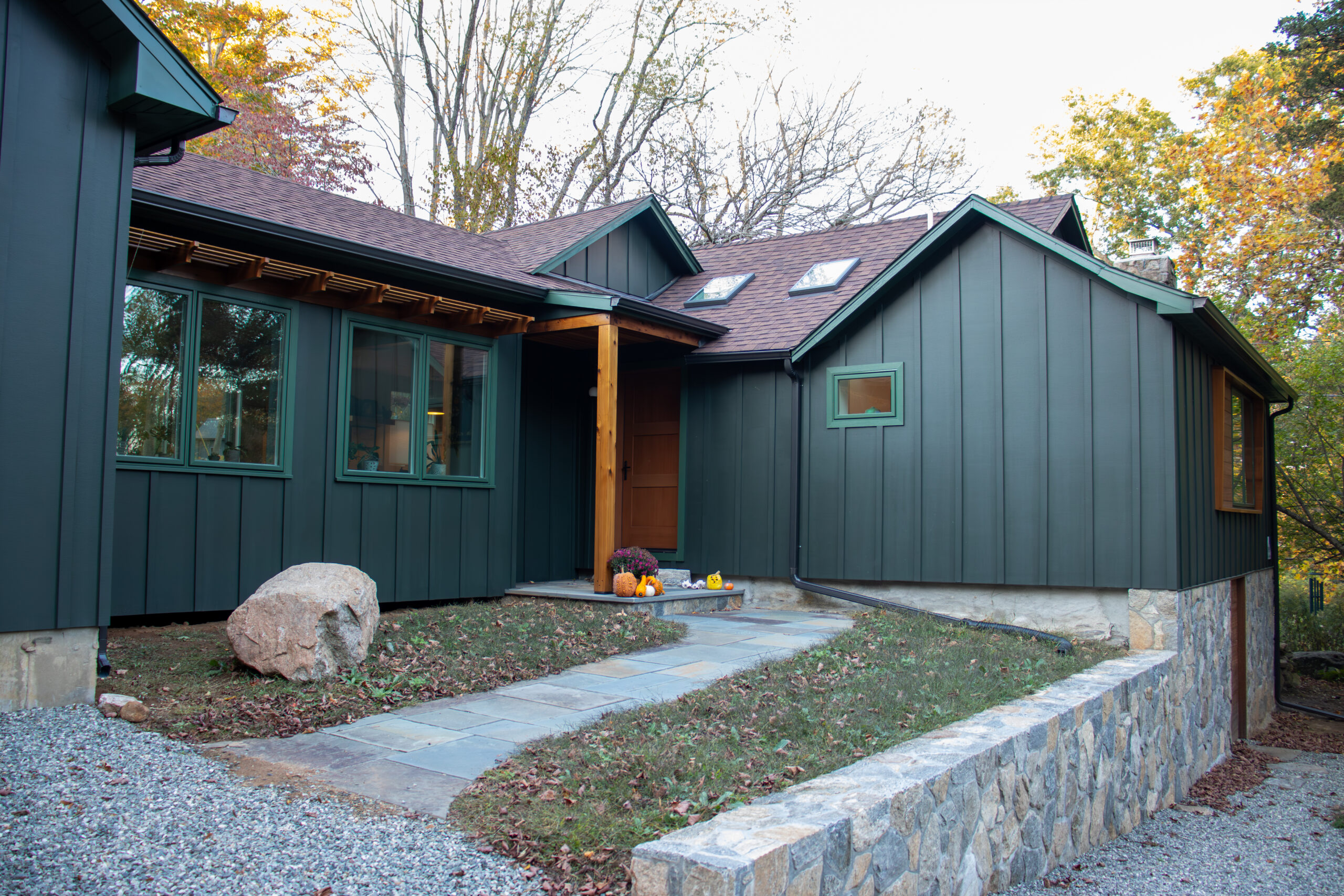

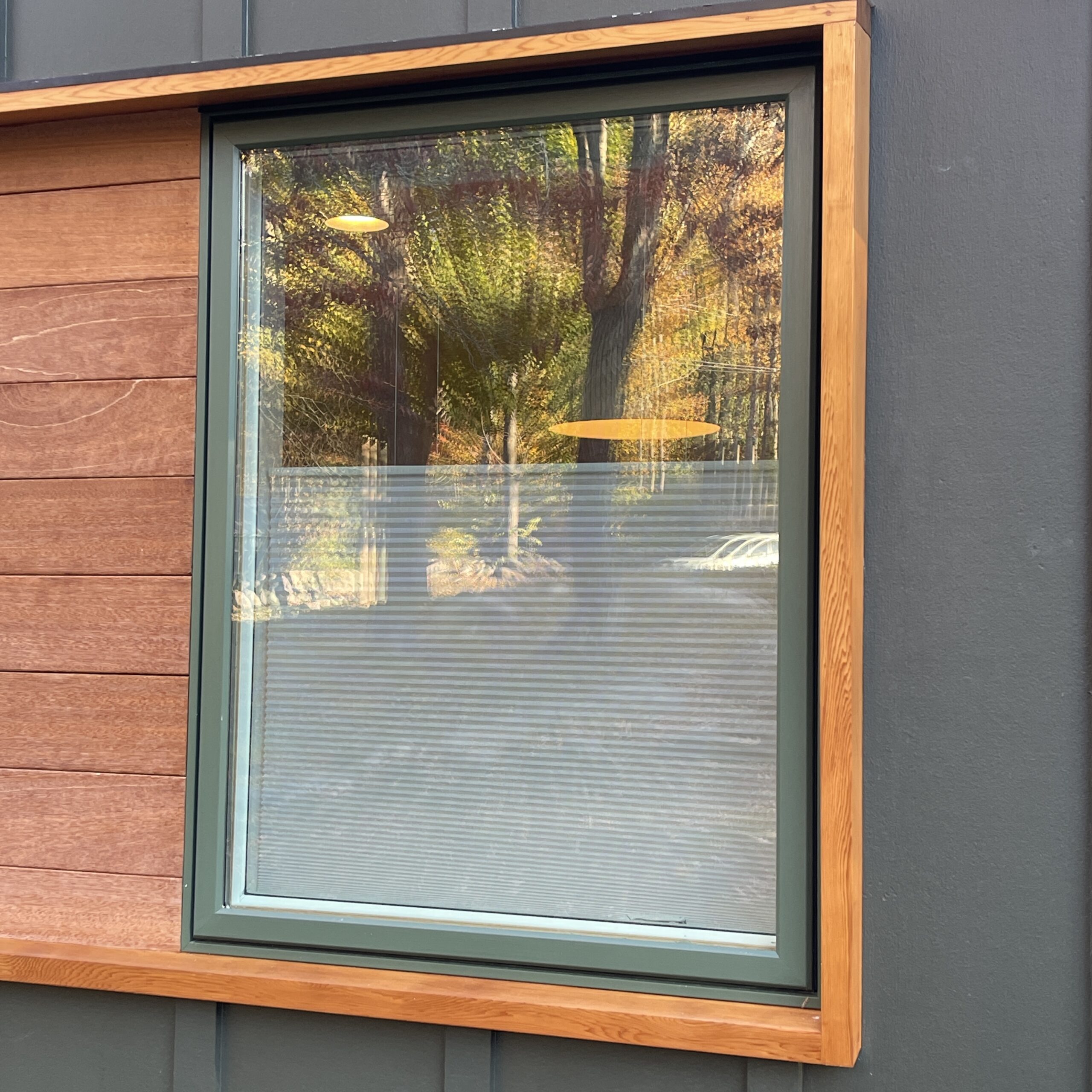
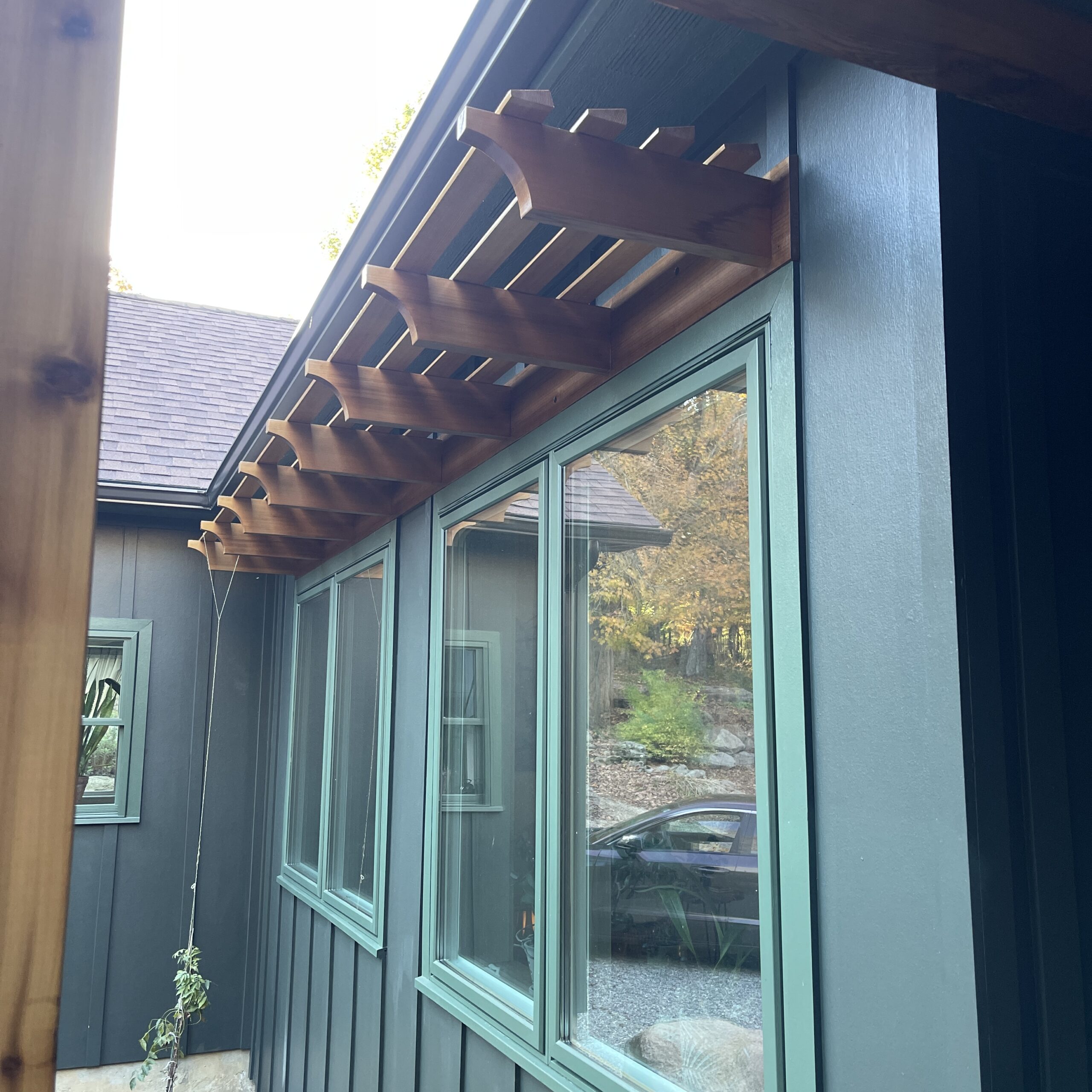

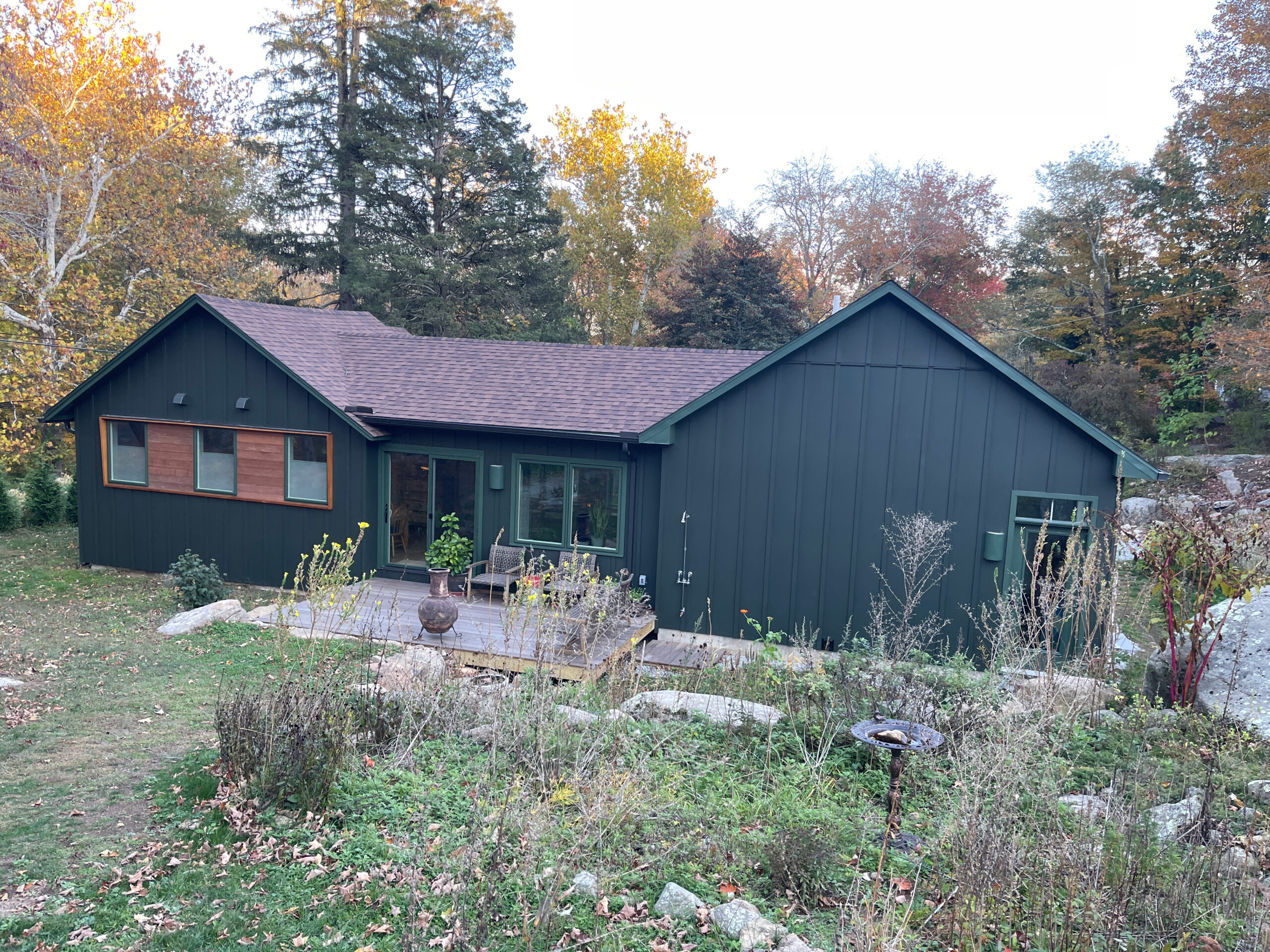

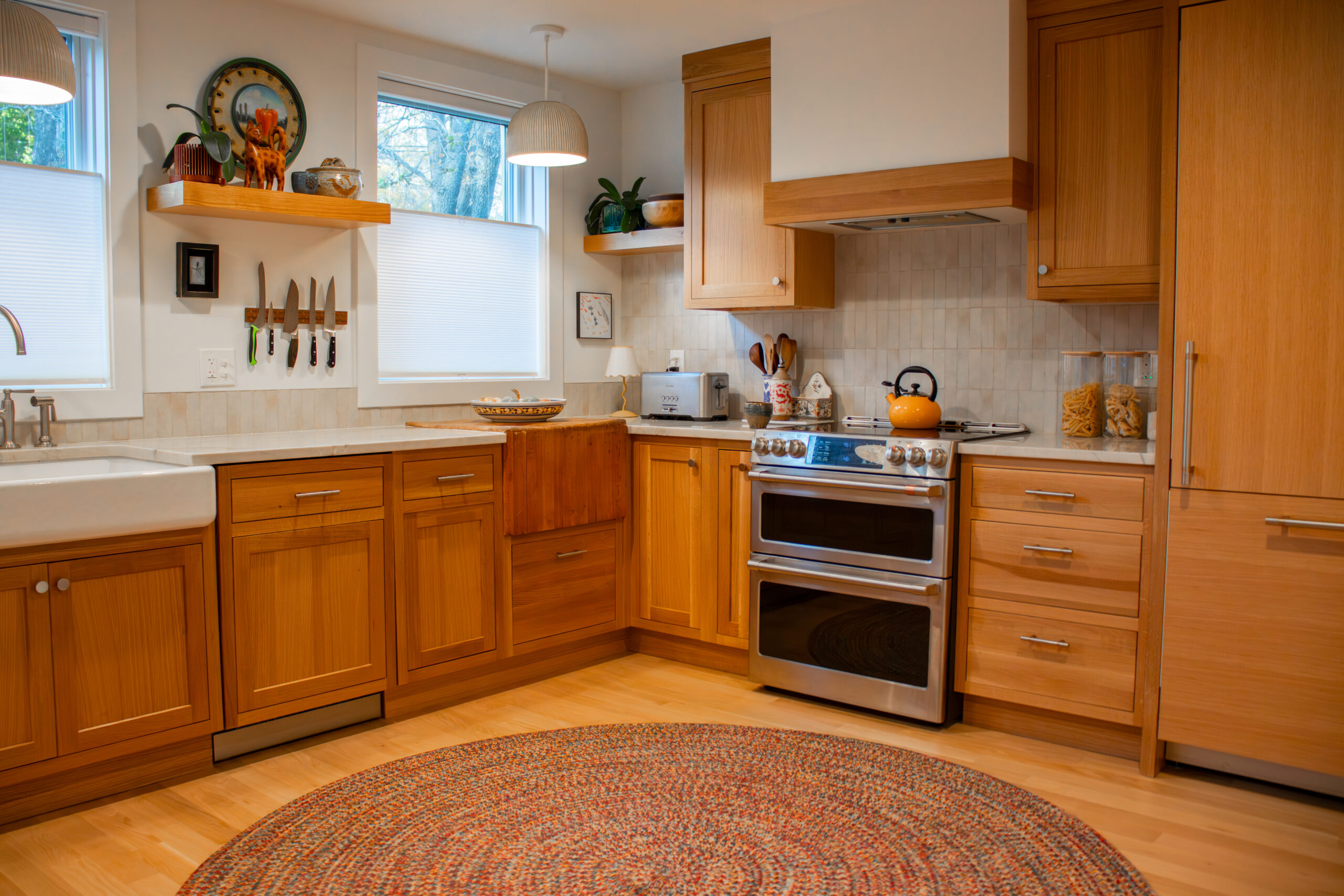

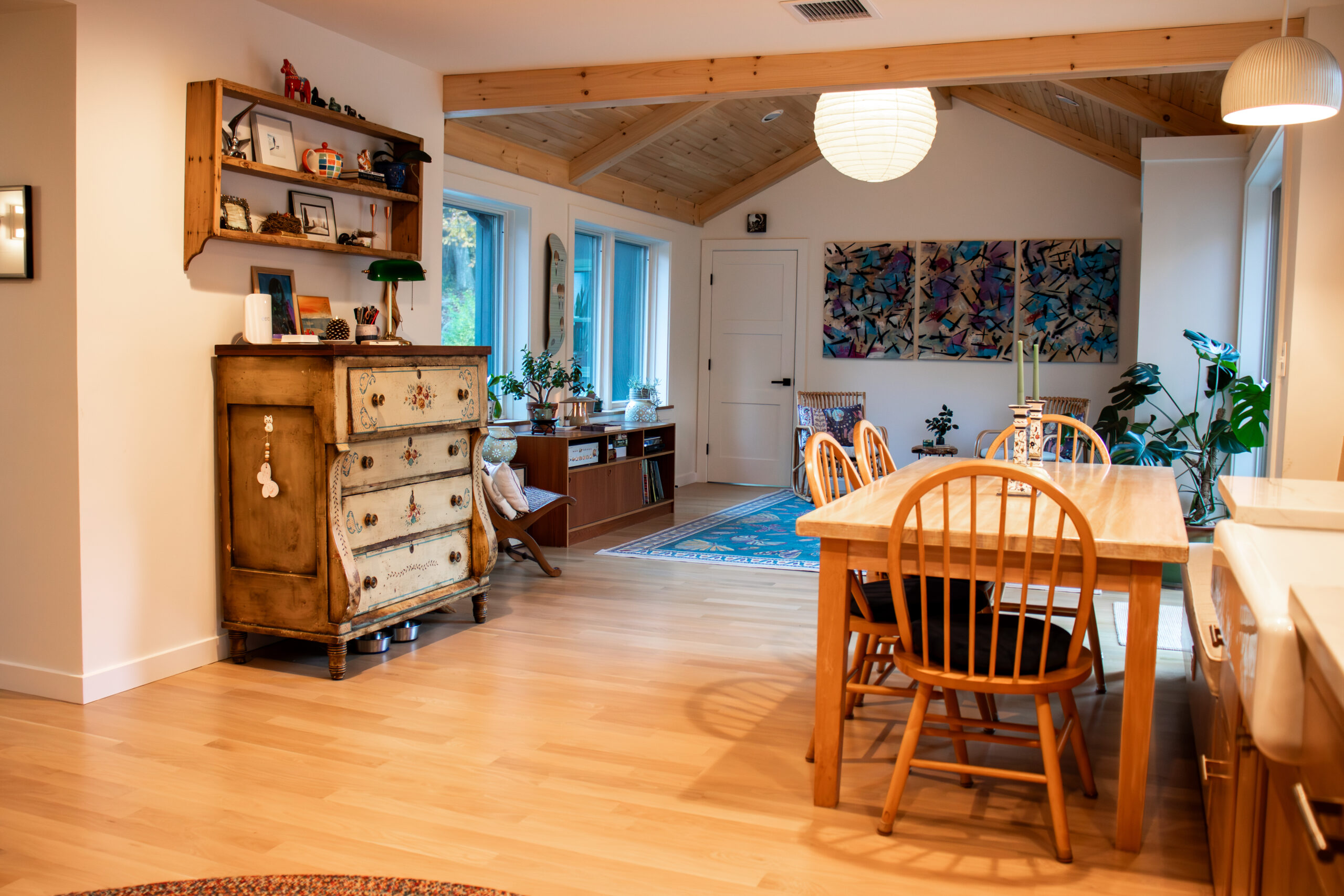


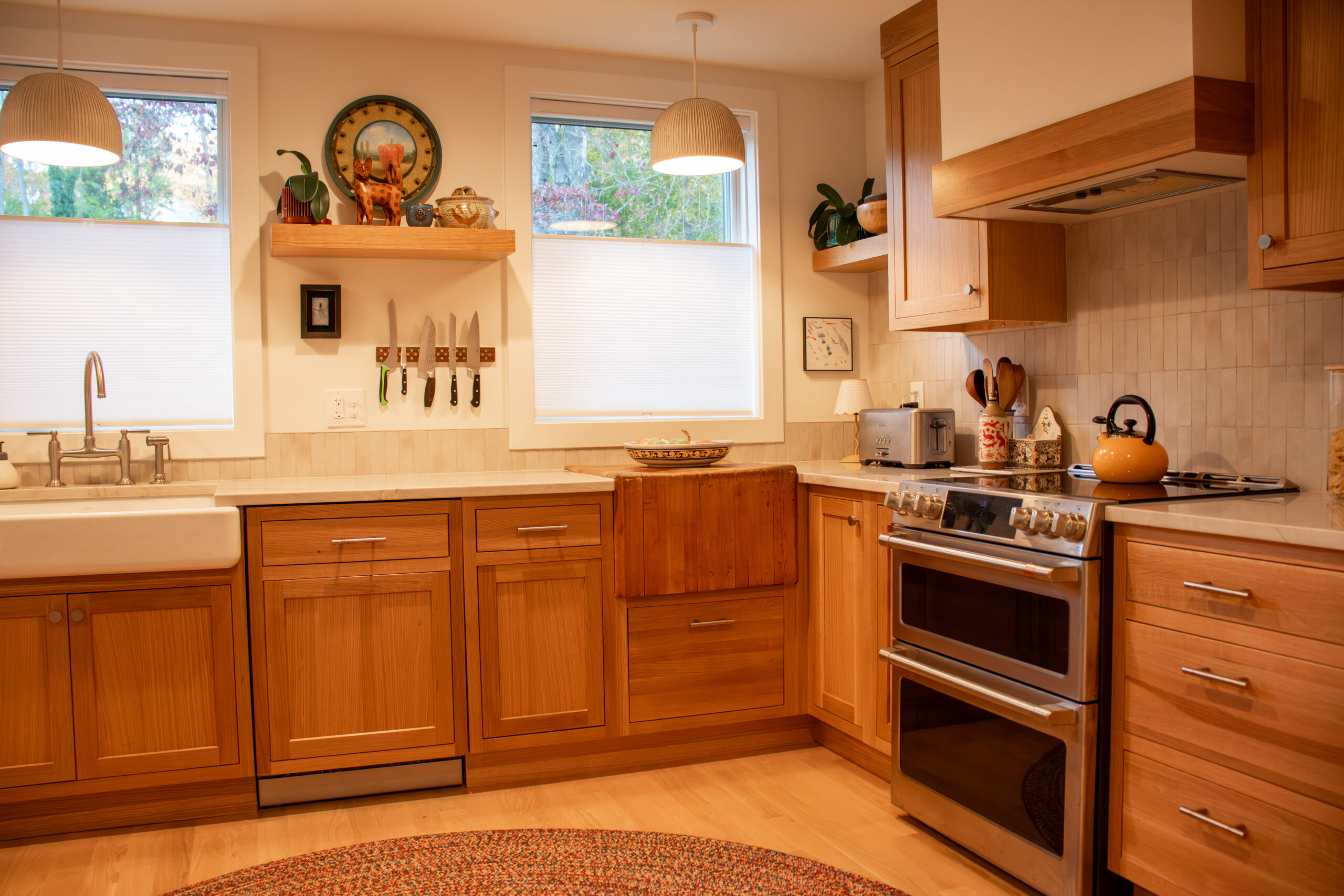
Use the gallery slider above to see additional final photos
Takeaways
Projects like this reinforce the importance of close collaboration between designers and builders, and the need for flexibility as new information emerges. For complex renovations in particular, air sealing strategies must often be adapted in real time to respond to existing conditions.
As with any ‘Pretty Good’ project, every decision ultimately comes back to one guiding question:
Where is the next dollar best spent?
In this case, that question led to a durable, efficient, and thoughtfully designed home. One that meets the family’s lifestyle needs while significantly improving performance and reducing environmental impact.